
Insight 11 · September 2026 · Websites, AI & Technology
What Should Go on the Page People See After an Ad?
See what to put on the first page people see after clicking your ad, using an airport transfer as an example.
About 2 min read
View the visual summary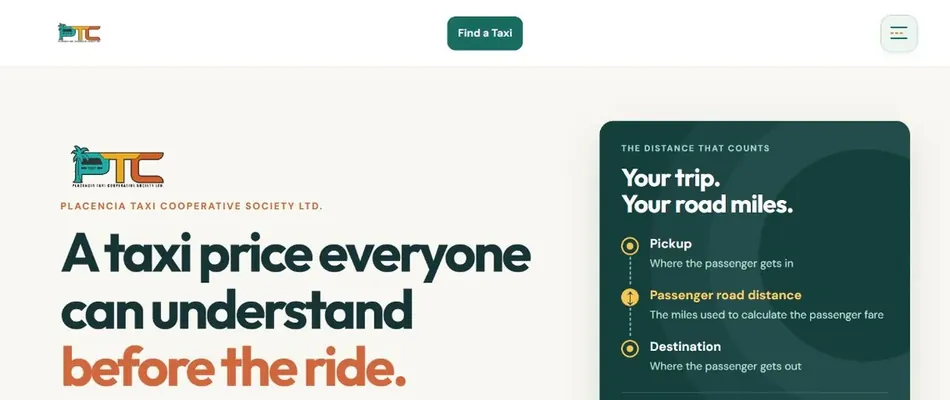
At a glance
A focused page makes the next action easier to understand.
- 01One audienceWho clicked the ad?
- 02One promiseWhat did they expect?
- 03Relevant proofWhy should they trust it?
- 04One next stepWhat should they do?
Send visitors straight to the details your ad promised.
A landing page is the first page someone sees after clicking a link or an ad. Someone clicks an ad for a transfer from Placencia Airport. The homepage has a paragraph about the company, five tour categories and a gallery. How long will it take for that visitor to find out whether you can pick them up and what it might cost?
Write down what the page needs to do
- They came for: a ride from the airport for their party and date.
- They need to know: the service area, fare or quote basis, and how pickup is confirmed.
- They need to see: credible operator details and a way to check the route or speak to a driver.
- They should do: check the fare or request the ride, depending on the step the business can offer.
The Placencia Taxi Cooperative site gives passengers a fare estimate and a route to contact a driver to confirm pickup and price. The calculation and the confirmation have distinct jobs.
After launch, trace one campaign visit to a usable enquiry. If you can’t tell which offer the request concerns, carry the offer through the form. If visitors need variants of the same information, answer those questions on the page before building another one.