
Insight 21 · September 2026 · Tourism & Hospitality
What Makes a Tourism Business Feel Trustworthy Online?
Show travellers who runs the trip, what they can verify, and what happens if plans change.
About 2 min read
View the visual summary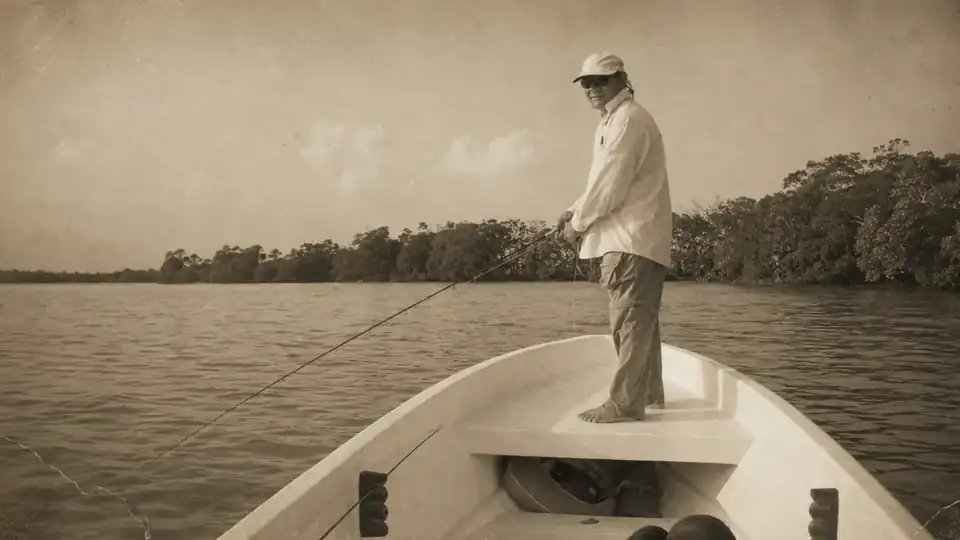
At a glance
Trust comes from clear, consistent evidence across the journey.
- 01Show the real offerUse accurate details
- 02Add relevant proofLet evidence support claims
- 03Explain policiesReduce surprises
- 04Stay consistentKeep the site and quotes in agreement
Check that your website, public listings and quotes agree on the details guests rely on.
A traveller looking at a Belize fly-fishing trip from abroad can’t walk down to the dock and meet the guide. The page needs to answer the questions a conversation would: who will take me out, where do we meet, what’s included, and what happens when the weather changes?
Put proof beside the question it answers
A guide introduction belongs near the trip details. A current room photo belongs on that room’s page. A cancellation policy belongs where the guest decides whether to request dates or pay. Use a relevant review to show what a guest experienced. Avoid asking a reader to infer that a testimonial for one service applies to all the others.
On the Charlie Leslie Fly Fishing site, fishing and lodging have separate information and a direct trip enquiry path. A visitor can ask about what they’re considering, and the team has something specific to respond to.
Do one consistency check before promoting the page
Compare the website, public listing and the message your team sends with a quote. Look at the name, phone number, meeting point, currency and cancellation terms. Correct anything that disagrees. Then ask someone outside the business to find the operator’s name and tell you what happens after they submit a request.